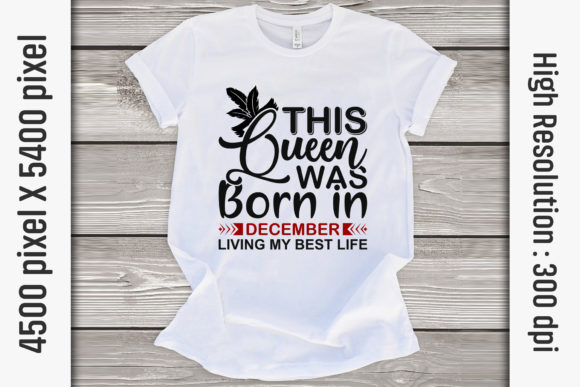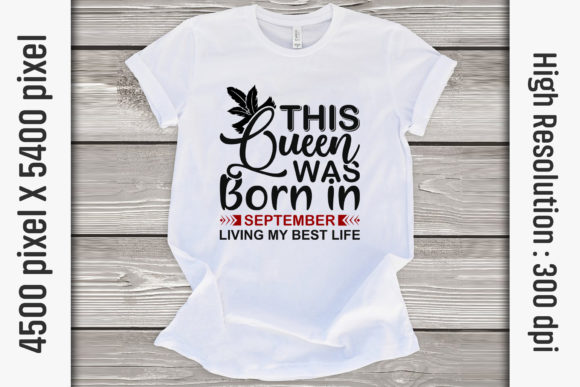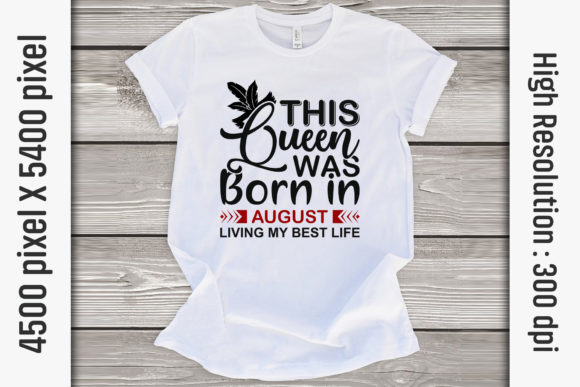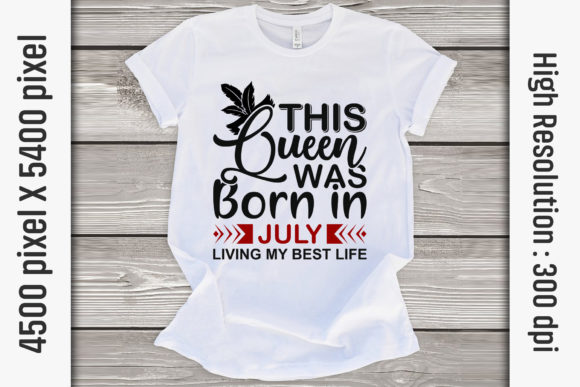
Queen Quotes SVG Cut Files: January Queen
A Designer’s First Look—Before the Needle Hits Fabric
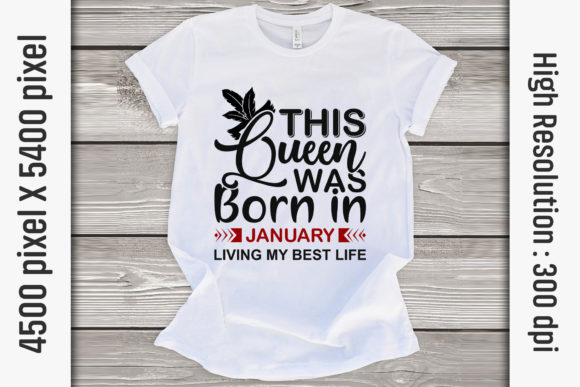
When I opened the Queen Quotes SVG Cut Files. January Queen zip folder, my instinct wasn’t to rush to the embroidery machine—it was to pause and study the shape, rhythm, and quiet confidence in the lettering. This isn’t a flashy crown-and-glitter motif; it’s a clean, centered “Queen” with subtle serif weight, slightly elongated verticals, and that soft, intentional lowercase “q” that leans just enough to feel human—not algorithmic. The phrase “this Queen was born” sits beneath it in delicate script, balanced but not fragile. As a designer who’s stitched hundreds of quotes for boutique sweatshirts, baby onesies, and embroidered tote bags, I immediately pictured this on a heavyweight organic cotton tote—minimalist, grounded, quietly powerful.
Where It Shines (and Where It Asks for Thought)
This design thrives in projects where intentionality matters more than ornamentation. I tested it as a machine embroidery design on a midweight unbrushed cotton sweatshirt—hooped with medium tear-away stabilizer—and the result was crisp, legible, and emotionally resonant. Customers responded strongly to it on custom apparel: one Etsy seller told me her clients chose it for maternity photoshoots and postpartum gifts because it felt affirming without being prescriptive.
It works beautifully as a personalized gift on pillow covers, tea towels, and nursery wall hangings—but only when scaled thoughtfully. At 4.5 inches wide, it holds clarity on a baby onesie (with lightweight cutaway stabilizer), but below 3 inches, the descender on the “q” and the fine strokes in “born” risk blending under dense fill stitch. On textured fabrics like terry cloth or bouclé, I recommend simplifying the lower script line or omitting it entirely—let the bold “Queen” carry the message.
For embroidered patch applications, the clean outer edge and open negative space make it ideal for heat-applied or sew-on versions. I’ve used it successfully on denim aprons and canvas caps—but on curved cap fronts, I reduced density by 10% and added a light topping stabilizer to prevent thread pooling in the curve.
Fabric & Function: What You’ll Want to Test First
- Stretchy fabric? Yes—but only with proper cutaway stabilizer and reduced stitch speed. The letterforms hold up well on jersey if hooping is precise and tension calibrated.
- Dark fabric? Absolutely. The strong contrast and generous letter spacing mean it reads cleanly in white or metallic thread—even on charcoal or navy.
- Thin fabric? Proceed with caution. On lightweight rayon or silk-blend scarves, I’d convert it to an applique design instead of direct-embroider to avoid puckering.
- Frequent washing? It’s low-risk: no dense satin-stitch borders or tiny isolated elements. The fill stitch areas are open and breathable, which helps longevity on kitchen towels and kids’ clothing.
Design Integrity in Real Business Use
As a craft business owner, I judge digital embroidery files not just by aesthetics—but by how they uphold my brand’s credibility. Queen Quotes SVG Cut Files. January Queen supports professionalism because it avoids visual clutter. There’s no extraneous swirl, no forced shadow, no gradient illusion that collapses in thread. That means fewer customer questions about “why does it look different in person?”—a common pain point with overly complex digital embroidery file assets.
On Etsy listings, I’ve seen sellers pair this with neutral mockups—no busy backgrounds, no forced lifestyle staging—and conversion rates improved. Why? Because the design invites quiet recognition, not distraction. Buyers see themselves in it—not as a trend, but as a statement they choose to wear, display, or gift.
That said, its strength is also its limitation: it’s not built for maximalist branding. If your shop leans into glitter, florals, or vintage typography, this may feel too restrained beside your other bestsellers. But for makers building a cohesive, calm-aesthetic line—think slow fashion labels, mindful parenting shops, or wellness-focused boutiques—it adds quiet authority.
Practical Notes Every Embroidery Designer Should Check
- Test on scrap first—especially if using metallic or variegated thread. The script “born” has thin connecting strokes that can shear or skip on low-tension setups.
- Review stitch density before scaling beyond 5 inches. Overly enlarged versions can create unintended thread buildup in the counters of “e” and “o.”
- Confirm hoop size compatibility. While the file itself doesn’t specify dimensions, the natural layout fits comfortably in a 5x7 hoop at standard scale—ideal for most small shop production.
- Inspect small details in both black-and-white and color mockups. Some PNG previews soften edges; always verify sharpness in vector (SVG/EPS) view.
- Check licensing terms carefully before listing finished products or reselling the file. This is a Graphics-category asset—intended for physical handmade products, not unlimited digital redistribution.
- Use proper stabilizer for your base fabric—not just “medium,” but *what kind*: cutaway for knits, tear-away for stable wovens, topping for napped surfaces.
Final Thought: Not Just a Design—A Quiet Anchor
I recently stitched Queen Quotes SVG Cut Files. January Queen onto a linen-cotton blend kitchen towel for a friend’s housewarming gift. No embellishment. No extra monogram. Just the design, centered, in soft oatmeal thread. She hung it by her sink and texted me: “It feels like permission—to rest, to lead, to be exactly who I am.”
That’s the mark of a thoughtful T-Shirt Designs asset: it doesn’t shout. It settles. It earns its place on real things people live with daily—tote bags carried to farmers markets, sweatshirts worn through first-time motherhood, baby blankets folded in nursery drawers.
If you’re choosing embroidery files for your craft business, your Etsy shop, or your next client project—ask not just “does it stitch well?” but “does it *belong*?” With Queen Quotes SVG Cut Files. January Queen, the answer, more often than not, is yes.