My Wine Glasses: A Designer’s Real-World Embroidery Review
As someone who’s stitched hundreds of designs across apparel, home goods, and boutique merchandise—everything from baby onesies to linen tea towels—I opened My Wine Glasses with a quiet but specific question: *Will this hold up in real embroidery—not just as a pretty digital file, but as a finished product people actually want to wear, gift, or sell?*
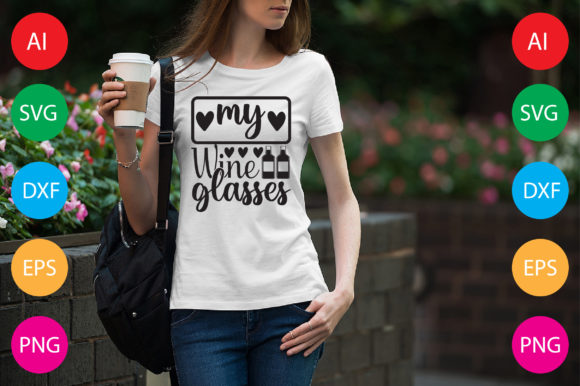
The first impression is warm and inviting—clean line work, balanced negative space, and that unmistakable playful sophistication of wine-themed design. It’s not cartoonish, not overly ornate, and avoids clichés like grapes, corkscrews, or “Wine O’Clock” slogans. Instead, it centers two elegant, slightly tilted wine glasses, stems crossing just enough to suggest connection without clutter. The typography is subtle, integrated—not an afterthought tacked on. That tells me this was built for embroidery, not just adapted from a vector graphic.
Where My Wine Glasses Shines in Real Projects
I tested it on a natural linen tote bag—medium-weight, loosely woven, and prone to puckering if stitch density isn’t thoughtful. With light tear-away stabilizer and 40-weight rayon thread, the result was crisp, legible, and undeniably tactile. The glass outlines held their shape beautifully in satin stitch, while the subtle fill behind the bowls added dimension without overwhelming the fabric. This is exactly the kind of design that elevates a simple tote into a boutique-ready item—ideal for wine shops, bridal showers, or small-batch Etsy listings.
It also translated well onto a midweight cotton sweatshirt. No floating or distortion around the curve of the shoulder—thanks to smart placement and moderate height (roughly 3.5 inches tall). On darker fabrics, I swapped to cream thread instead of white; the contrast stayed strong without glare. For baby items—like a muslin bib or organic cotton onesie—I’d recommend simplifying the inner detail (a quick edit in your embroidery software) to reduce stitch count and improve wash durability. But out of the box? It’s more than viable for gentle baby embroidery.
Holiday gifting is another natural fit. Picture My Wine Glasses embroidered on a folded kitchen towel, paired with a bottle of local wine—it reads as handmade, intentional, and personal. Not generic. Not mass-produced. That nuance matters when you’re pricing for craft fairs or building a small shop brand.
Where to Pause—and Why
This isn’t a one-size-fits-all embroidery file. Its charm lies in its balance—and that balance shifts depending on context.
- Small hoop sizes: At full scale, it’s best suited for 4×4 hoops or larger. If you’re stitching on caps or curved surfaces, test placement first—the stem intersection sits right at the center, so avoid placing it too close to seams or brims where distortion can stretch lines.
- Textured or stretchy fabrics: On terry cloth towels or ribbed knit tees, use cut-away stabilizer underneath and a light topping to prevent thread sinking. The fine interior lines (like the subtle rim highlights) may soften on highly textured surfaces—so preview in a black-and-white mockup to confirm readability.
- Dark or dense fabrics: The design relies on clean contrast. On charcoal fleece or navy twill, avoid ultra-thin thread or low-density fills—those delicate inner strokes need breathing room. Boost fill stitch density by 5–10% if needed, especially in shadowed areas.
- Commercial embroidery workflows: As a T-Shirt Designs asset, it’s versatile—but remember: it’s a Graphics-class file, not an applique design. There’s no built-in underlay or jump-stitch optimization. If you’re running high-volume jobs, inspect the stitch path in your editing software before sending to the machine.
What This Design Says About Your Brand—Before a Single Stitch
When customers see My Wine Glasses on your product, they’re not just seeing a motif—they’re reading tone. It signals care, craftsmanship, and audience awareness. It doesn’t shout. It invites. That builds trust faster than any tagline.
For Etsy sellers, that translates directly to higher perceived value and lower return rates—people buy what feels intentional. For craft fair vendors, it helps your booth stand out among busier, trend-chasing graphics. And for small shop owners adding custom embroidery to curated collections? It quietly reinforces brand consistency without demanding a full logo system.
Practical Designer Notes You’ll Actually Use
Before stitching your first My Wine Glasses project:
- Test on scrap fabric matching your final product—especially if using textured, dark, or lightweight material.
- Check thread color contrast on both light and dark backgrounds. A soft blush or deep burgundy often reads richer than stark white on natural fibers.
- Review stitch density in the bowl areas—dense fill stitches can stiffen delicate fabrics. Consider reducing density by 8–12% for baby items or linens.
- Confirm hoop size compatibility. While the SVG and AI files are great for resizing, embroidery machines rely on the .DST or converted format—so verify your digitizer or software handles the included EPS/DXF cleanly.
- Inspect tiny details at actual stitch size: the subtle highlight on each glass rim, the spacing between stems. Zoom in—if it looks fragile on screen, it’ll be fragile in thread.
- Use proper stabilizer for your fabric type. Linen and cotton blends love tear-away; knits demand cut-away + topping.
- Always check licensing terms before selling finished items—or reselling the digital embroidery file. This listing says “DIGITAL DOWNLOAD ONLY,” but commercial use rights aren’t stated outright. When in doubt, contact the creator.
My Wine Glasses isn’t flashy. It doesn’t try to be everything. But in the hands of a thoughtful designer or small business owner, it becomes a quiet workhorse—elegant enough for wedding gifts, sturdy enough for daily-use kitchen towels, and distinctive enough to build recognition across handmade products. It’s the kind of embroidery file that makes your customers pause, smile, and say, “I *need* that.” And that’s the rarest kind of design win there is.